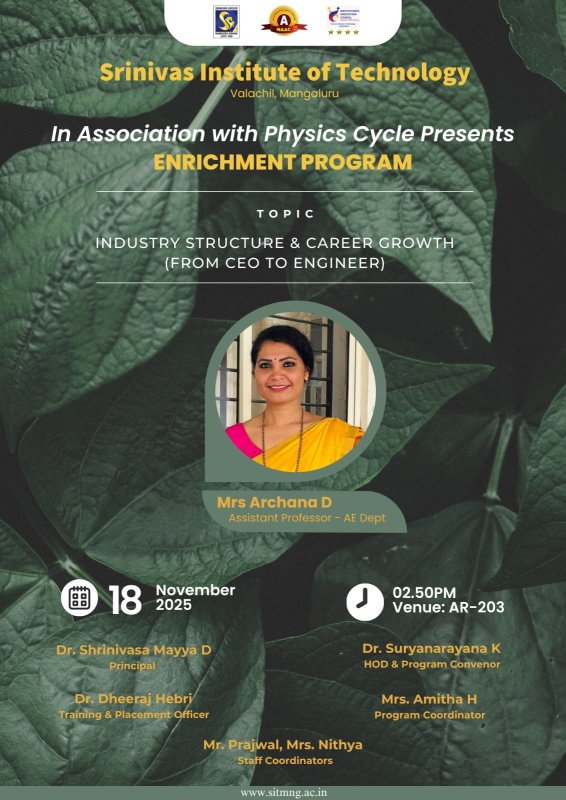
Orientation – Industry Structure and Career Growth
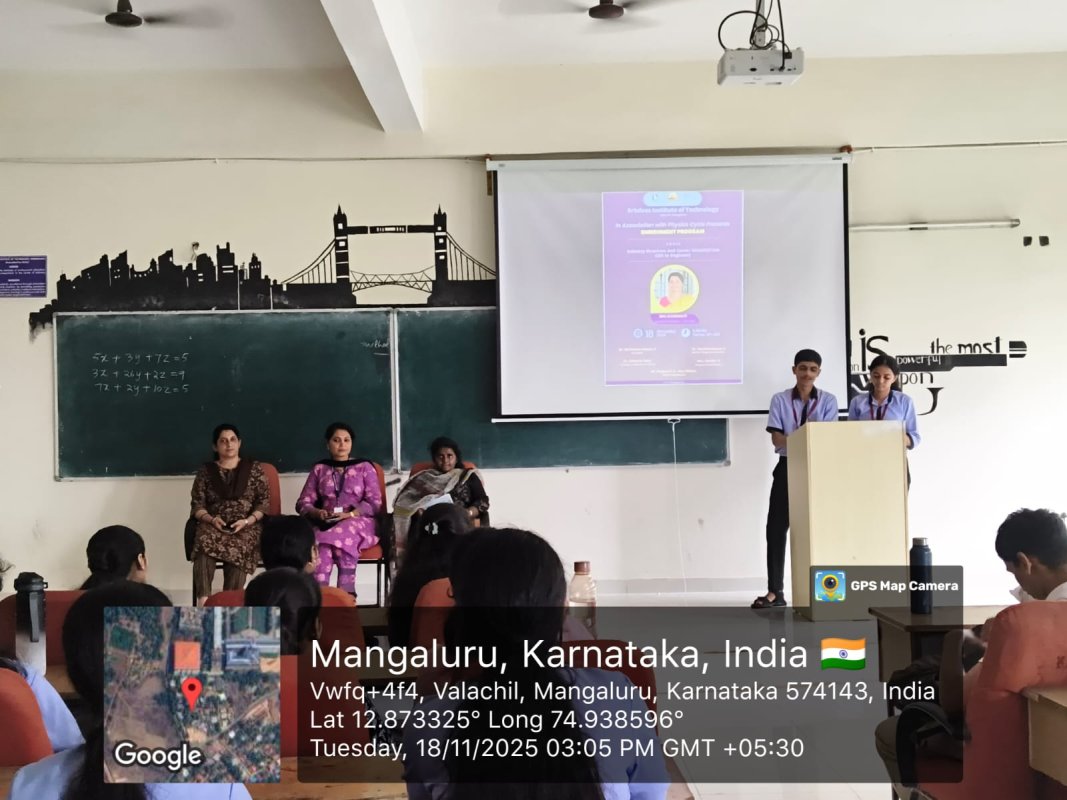
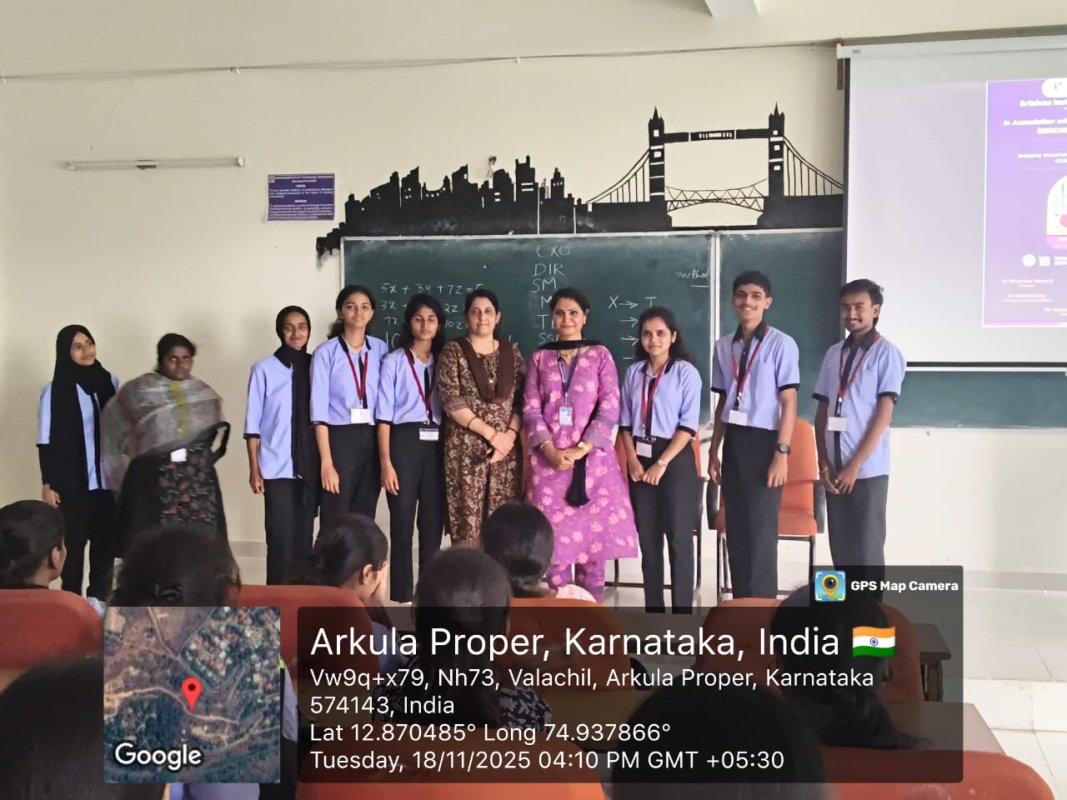
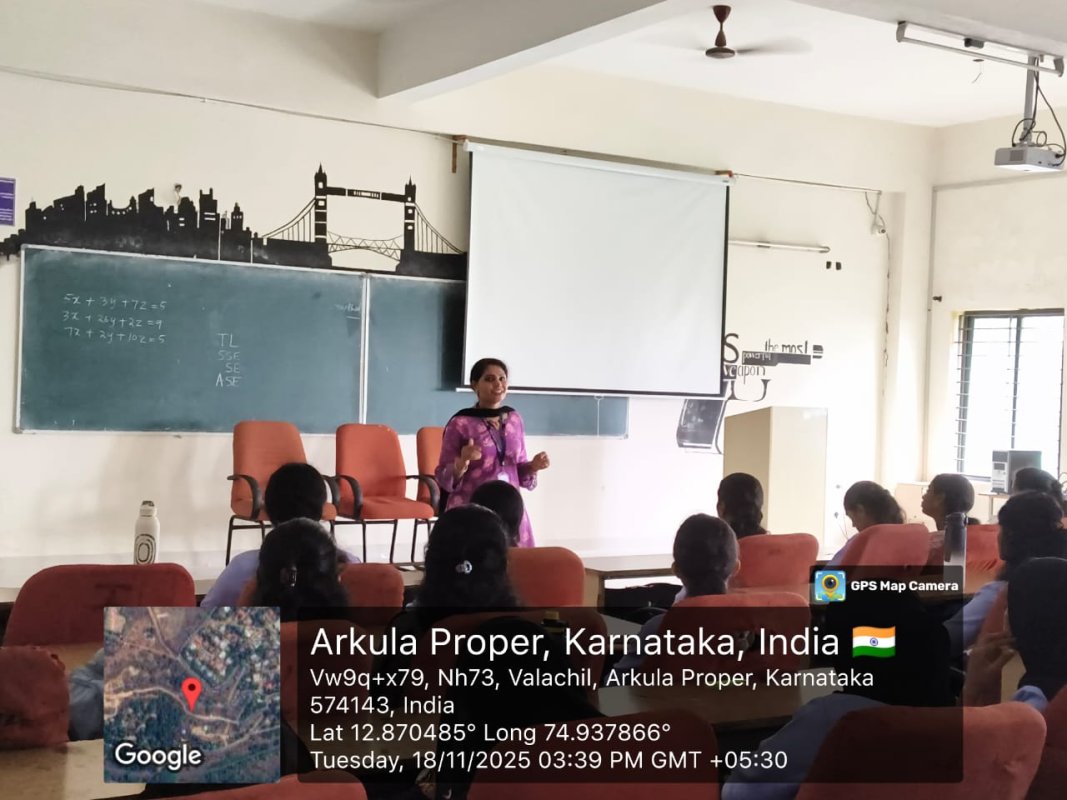
The enrichment program on Industry Structure and Career Growth (From CEO to Engineer) provided students with a comprehensive roadmap to understanding the hierarchical and functional organization of modern industries, starting from foundational technical roles like engineering and progressing toward top executive positions such as CEO. The session outlined interconnected departments including product development, operations, sales, marketing, finance, human resources, and strategic planning.
Participants explored detailed career trajectories that typically begin with entry-level engineering positions focused on technical expertise and problem-solving, progressing through mid-level roles like project management and team leadership where individuals develop business acumen, cross-functional collaboration, and initial people management skills. The session then described advancement to senior-level positions involving business development, general management, and strategic decision-making, culminating in C-suite responsibilities requiring visionary leadership, financial literacy, stakeholder influence, and organizational transformation.
Interactive methodologies were used, such as organizational chart analyses to visualize industry structures, workshops on competency frameworks outlining required skills such as technical proficiency, soft skills, and behavioural competencies at each stage, and guest lectures by industry professionals sharing real-world progression stories from engineer to CEO. Additional features included stretch assignments simulating high-impact projects, role-playing leadership scenarios, and creation of personalized professional development plans incorporating communication, negotiation, and strategic thinking to bridge skill gaps.
The program fostered transparency in promotion criteria, evaluation metrics blending qualitative and quantitative performance data, and flexible mobility paths—both lateral and vertical—tailored to individual strengths. This initiative not only demystified upward mobility but also equipped students with actionable strategies, motivation, and a growth mind-set to navigate competitive environments, pursue internal promotions, and achieve long-term professional success.
Event Gallery (5 Images)